

What does it mean to be spiritual?
What exactly is spirituality?
A few years back, when a friend asked me this—on hearing that I now resonated more with being “spiritual” than “religious”—I responded with a very long explanation of what spirituality meant to me.
In essence, I defined spirituality as the concept of oneness: the timeless truth spoken by sages everywhere—that humanity is deeply connected beyond the ego-driven identities of religion, race, nationality, gender, wealth, or any of the countless illusory lines we draw to divide ourselves.
Every faith carries its mystics—devout seekers of its spiritual heart longing to dissolve the illusion of the separate self.
In Taoism, it is called being one with the Tao.
In Buddhism, nirvana.
In Hinduism, moksha (with yoga as a path towards it).
In Sufism, fana.
In Kabbalah, devekut.
In Eastern Orthodox Christianity, theosis.
Different names referring to the same truth. Different paths merging towards the same destination.
Being spiritual, I insisted, also meant recognizing that we are not only bodies of flesh and mind, but also of spirit—and our spirit, too, needed to be nurtured.
Centering practices such as meditation, yoga, and prayer rituals might be required to maintain its health, while healing traditions like energy work, acupuncture, or Ayurveda might help restore its balance. This was not new knowledge, but ancient wisdom—passed down for thousands of years, hand to hand, soul to soul, across the world.
Finally, I added that spirituality was about faith: faith in a power beyond us, a love beyond conditions, a benevolent presence answering our call for help with miracles, irrespective of religion. Perhaps this is why the religious often grow more devout with time, while the optimist without a God develops trust in the Universe, in fate, in fortune—whatever name they chose to turn to.
But what I didn’t realize at the time was the paradox of calling myself “spiritual.”
For here is the irony:
The more I identify as spiritual, the further I drift from its center, where every mask the mind clings to is peeled away, including the mask of “being spiritual”.
And the experience of this dissolution of identity cannot be captured by words.
For how can words hold what it feels like to expand into everything and disappear into nothing at the same time?
To know yourself as all and none, light and shadow, good and evil—present only in this moment, and yet for eternity?
How could I explain the breathtaking beauty of pain splintering your heart into pieces until it reopens to love? Failure burning away layer after layer of ego until you are clothed only in humility? Clarity shattering the illusion of being “better” or “worse” than others until you finally see that you are, in essence, the same?
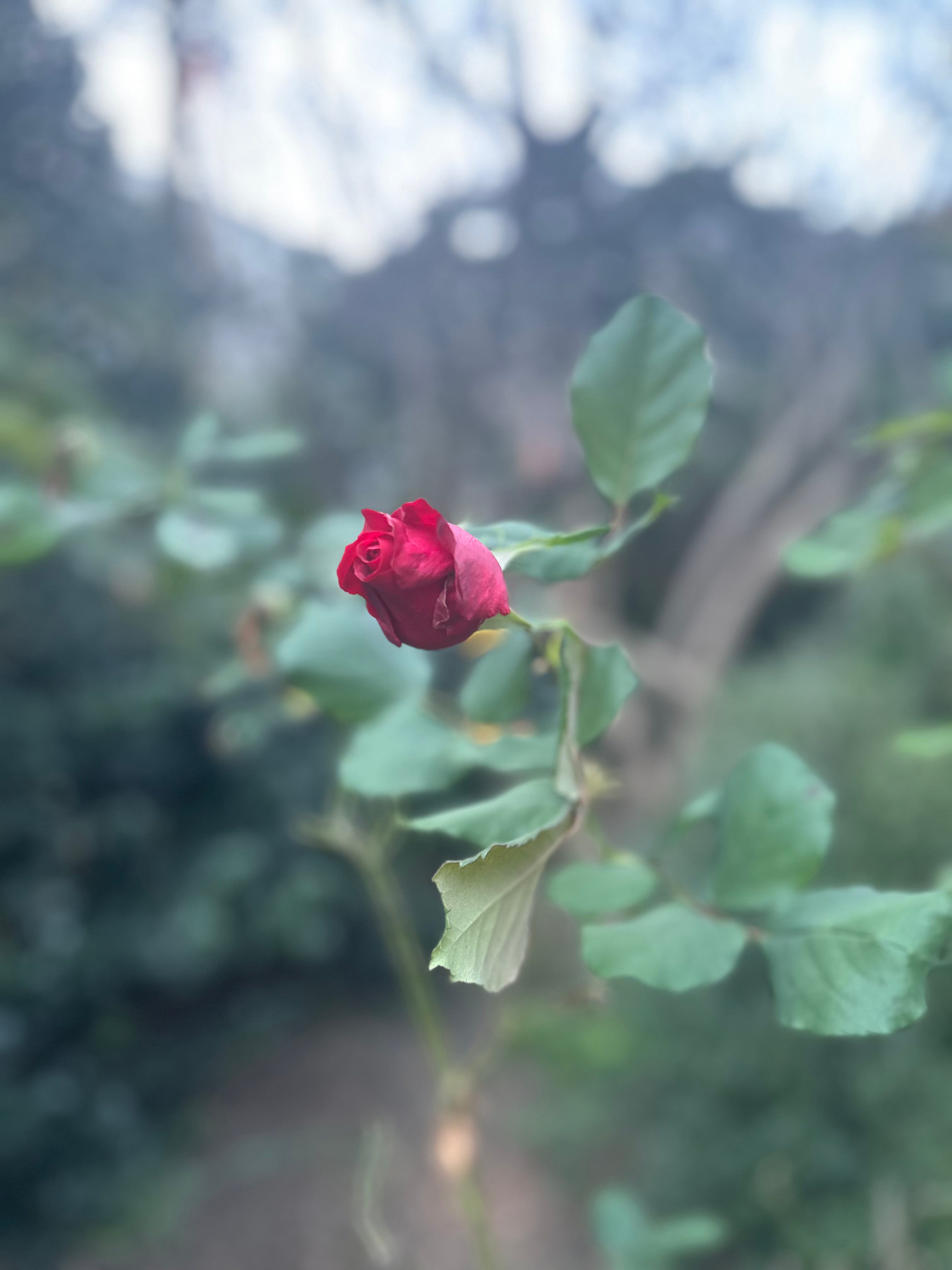
How can I ever describe the pure bliss and perfect harmony of gazing at a spectacular sunset, a blooming rose, or a grazing bison, and feeling, “Look at me! I am beautiful!”
The limits of our mind can never capture this truth.
It can only be experienced within the expanse of our heart —through direct encounters with the Angel of Death, who strips away each identity the mind clings to, without hesitation.
Without such an experience, my words will sound like madness.
And with it—you will need no explanation at all.
Note: I wrote down the bones of this piece several years ago, but right now, living through the daily grind of life, it feels like a distant memory—here’s to reconnecting with what lies beneath the noise.
🪽From my wings to yours—may we never stop flying.